
Renewable energy
Renewable energy options, compared on their technical merits
Solar photovoltaic panels, heat pumps, and wood pellet boilers each suit different buildings, climates, and grid connections. This guide sets out how each works before any choice is made.
Solar photovoltaic
Self-consumption shapes the outcome
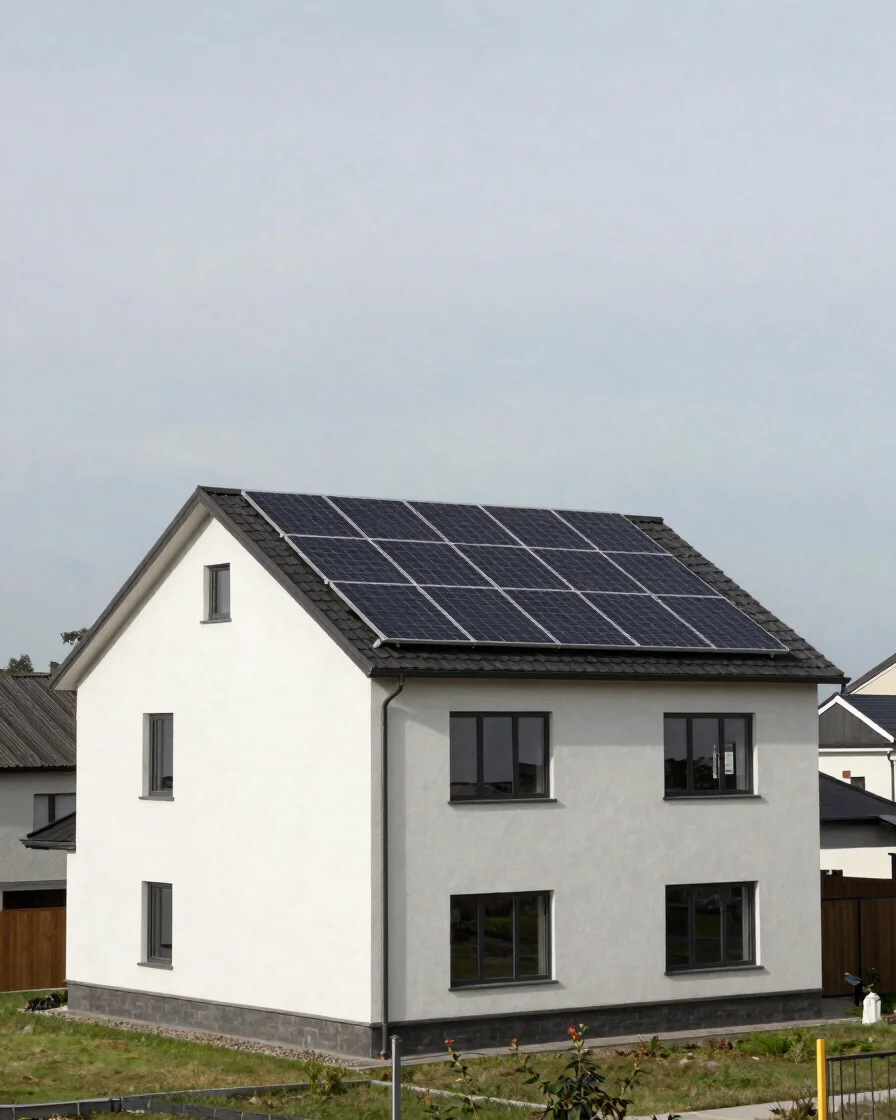
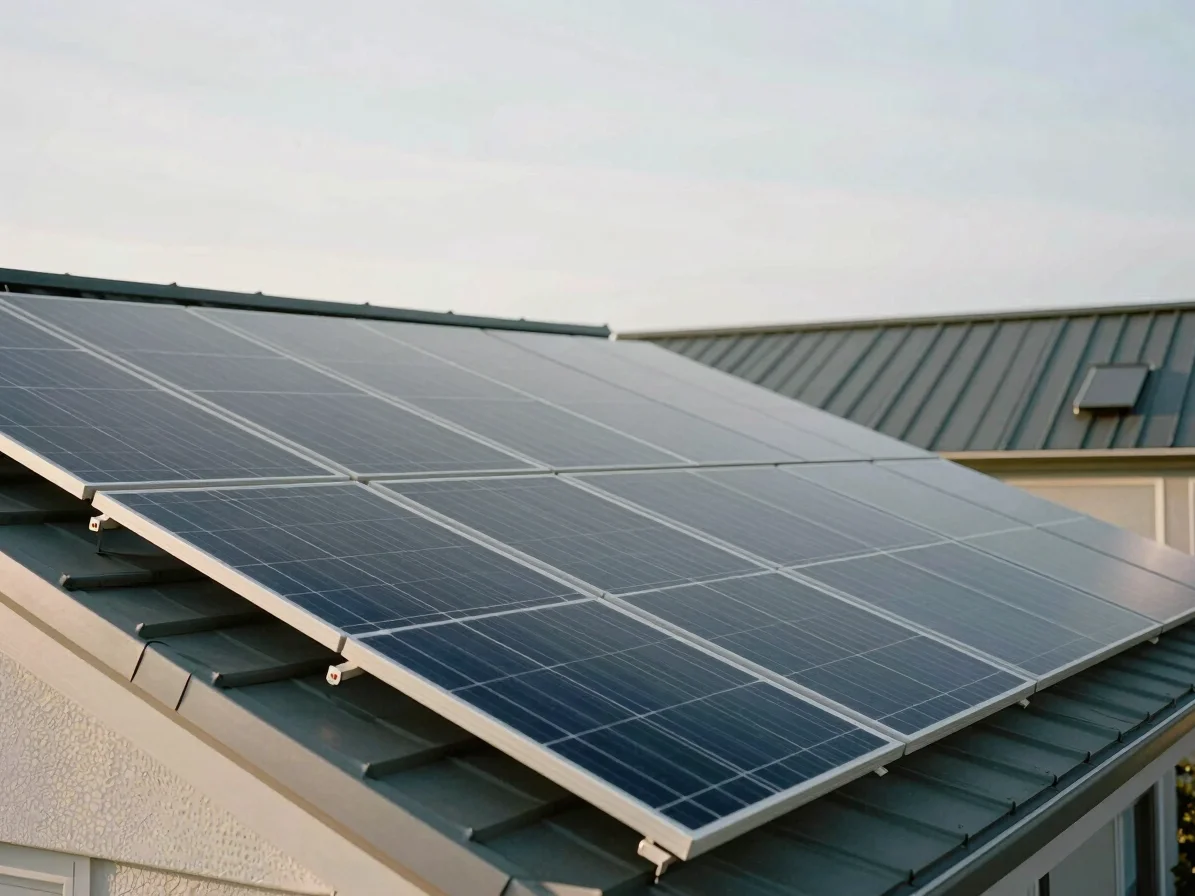
Photovoltaic output depends on roof orientation, pitch, and shading. The share of electricity used on site, rather than exported, is a central feasibility question and varies by household or business load profile.
Heat pumps
Air-to-water and geothermal systems
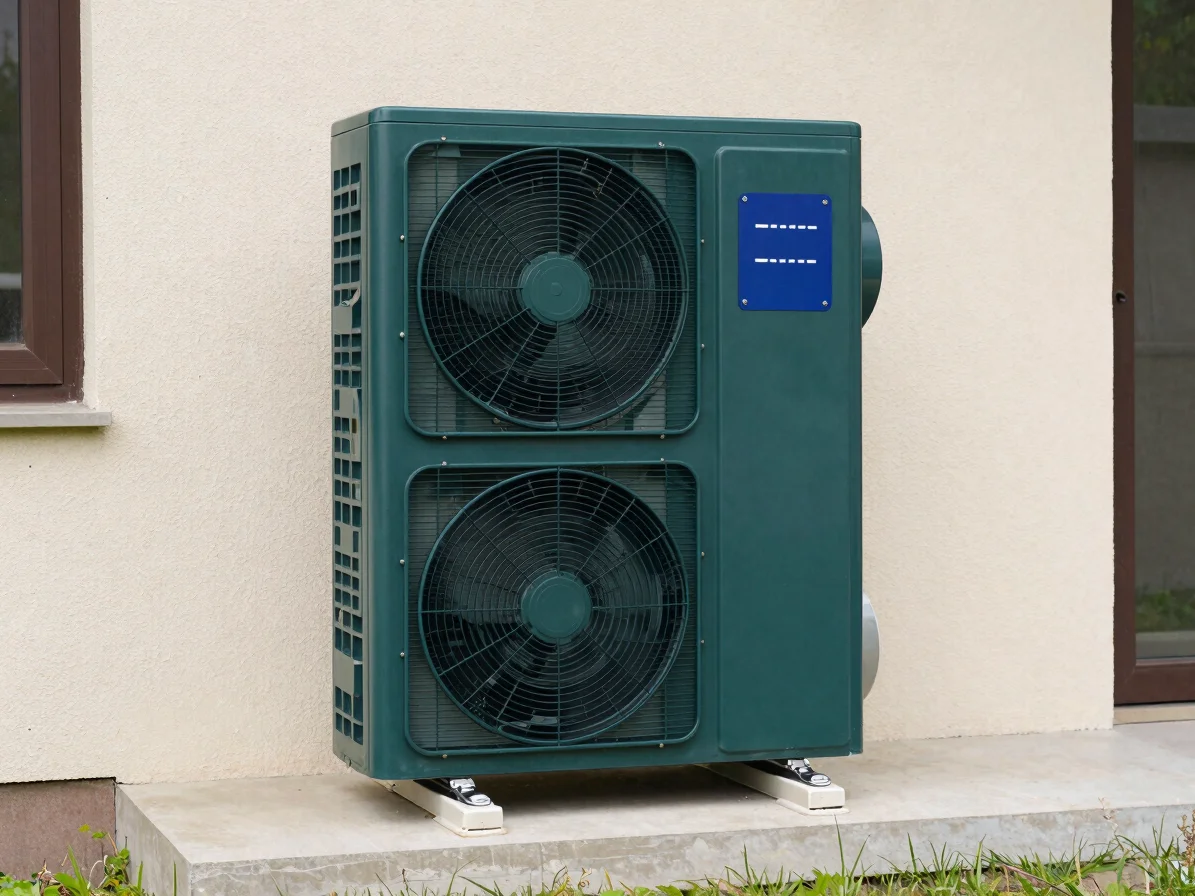
Heat pumps move heat from outdoor air or the ground into a building. Performance relies on matching emitter sizing, such as radiators or underfloor circuits, to the design flow temperature, and on sound building insulation.
Wood pellet boilers
Biomass heating and its fuel constraints
Pellet boilers burn compressed wood fuel in automated systems. Storage space, fuel supply, flue requirements, and local air-quality rules all shape whether this option is practical for a given site.
Site feasibility
Checks before any installation
Roof structural capacity, electrical panel capacity, and acoustic exposure of outdoor units are typically assessed by a qualified professional on site. Load-bearing limits and available amperage can rule out an option regardless of its technical appeal.
Noise from heat pump compressors and fans is governed by distance to neighbouring openings and local urban planning rules. Verify current requirements with the relevant municipal authority before planning an installation.