
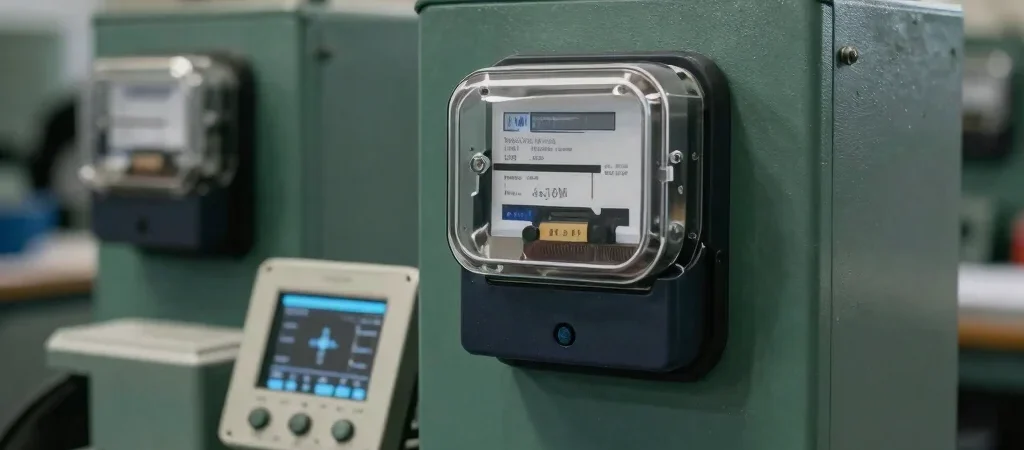
A workshop’s energy use can rise when production hours change, even if its equipment has not become less efficient. In an office, longer opening hours or a poorly adjusted heating schedule can shift consumption in a different way. Before choosing an investment, give the business a clear reference point.
Build a usable baseline
Gather bills, meter readings, opening hours, and any available production or occupancy records for a consistent period. Note known changes such as new equipment, altered shifts, or unusually cold operating conditions. The aim is not to make the data perfect; it is to make the context visible before comparing one period with another.
Look for operational patterns
If meter data are available at shorter intervals, compare consumption during operating hours with nights, weekends, or scheduled shutdowns. A continuing load outside working hours may justify checking controls, heating schedules, ventilation settings, or equipment left on. Treat that pattern as a lead for investigation, not proof that one device is responsible.
Separate electricity and other energy uses where the records allow, then connect them to the activity that drives them. For a small food business, refrigeration and extraction may matter alongside heating; for a light industrial site, process equipment can dominate. The useful measure is the one that helps the people running the operation make a practical decision.
Turn findings into checks
Choose a small number of actions that can be checked, such as reviewing time controls, inspecting door seals, or recording equipment start and stop times. Assign someone to note the change and compare the next suitable period with the baseline, taking operating conditions into account. This makes it easier to tell whether a measure is worth keeping or needs adjustment.
For companies considering audits, obligations, or financial support in France, verify current requirements with official sources such as ADEME and service-public.fr, and check the conditions and dates that apply to the business. Keep the source and date alongside the decision. A documented baseline will not answer every question, but it gives managers, building owners, and energy advisers a shared place to start.